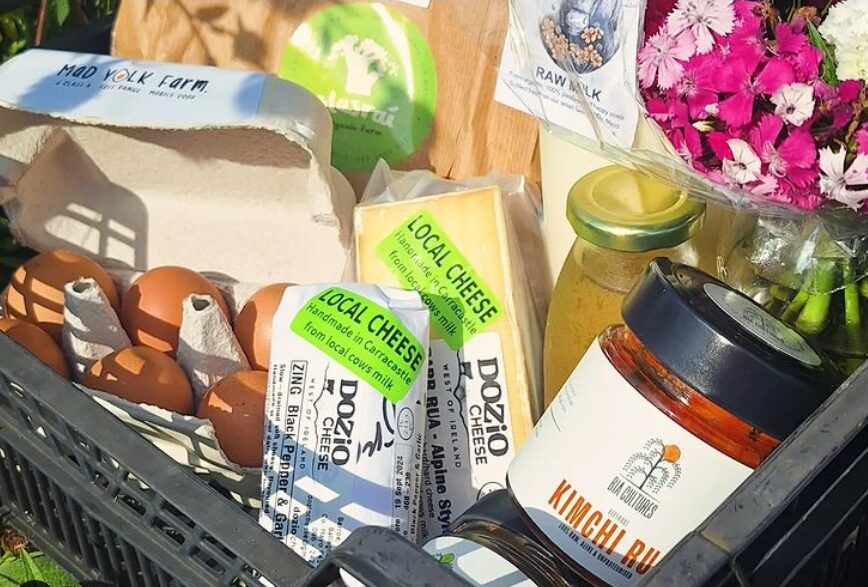

What will I eat to eat well? That’s bad for me, I think that’s good for me, all carbs no carbs, good fat, bad fat, fast food, salt, no salt, sugar free, no additives, natural, fish – no fish, farmed fish meat/dairy – good or bad, extra protein, low GI, healthy not healthy, supplemented, fortified, low fat……
the mind boggles..
Headache yet? I haven’t even mentioned the environmental, social or economic elements that impact or are impacted by our decisions around ‘what to eat’?!
What to eat to eat well is a noisy space. It’s also an emotional one. Whether buying and cooking food for one or five. We all want to eat and feed others well, as best we can within our means. If you cooked something and someone turned around and said “oh, I wouldn’t eat that, it’s bad for you” no doubt you’d feel upset or angry. It’s personal. And there is money to be made from that. It’s why supermarkets and the food industry spend so much on advertising AT us. Food and what to eat is big business.
I’m not writing this to tell you how or what to eat. Instead, I offer some generic tips that I hope can help drown out the noise. A decision making tool you can employ when it comes to choosing what to eat to eat well.
Think GO SLOW
G. I can confidently say to you, these are GOOD foods and the things I try to keep in mind as I decide what to eat to eat well.
- Diversity is good
- Wholefoods are good
- Organic is good
- Real, simple food is good
- Unprocessed is good
- Minimally processed foods are good (think tinned tomato in water, frozen berries, pale farmhouse cheddar, full fat yoghurt, whole-grain loaf, real sourdough)
O. If you can, say OH NO to non organic potatoes, wheat or any of the other Dirty Dozen Foods that contain the highest pesticide residues.
S. Choose seasonal foods. Seasonal foods are at their most nutritionally dense, are naturally ripened and at their most tastiest! Taste is a great way for the body to detect if a food is good. It’s why Big Food spends so much in ‘flavouring’ bland nutritionally poor food to get us hooked! Eat a carrot, in season, grown in soil. From smell, colour and taste, the body knows its good and packed with essential minerals, vitamins and antioxidants. Same too goes for meat finished off grass or seasonal milk.
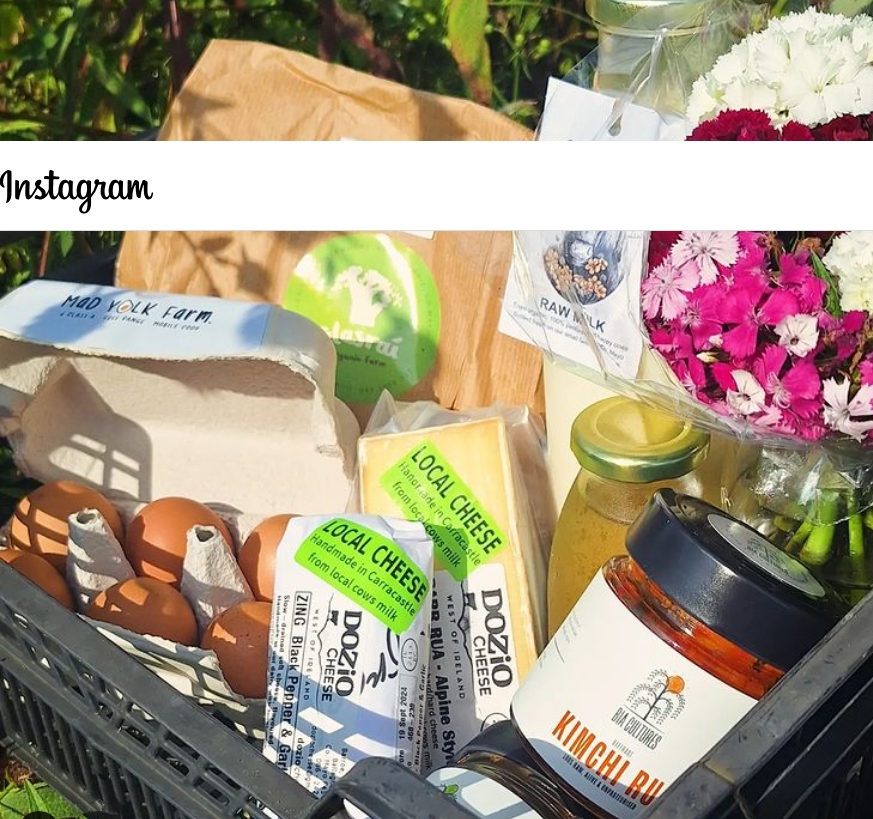
L. Local, there is a reason why local is best, the journey from field to fork is shorter. So that in season carrot is fresher and for longer in your cupboard! Whatsmore, to know your farmer is to know your food. Which means you know how your food was grown, raised, or managed. Ask, we’re only too happy to chat about what we do, why and how we love our soil!
O. Which brings me to my next point; soil. There is more life in a teaspoon of healthy soil than there is on the planet. Soil is life, literally. About 59% of all species on Earth live in soil. Soil life feeds the plant, the plant feeds us. It’s a complex relationship that relies on everyone playing their part. When we use pesticides and/or synthetic fertilisers we can complicate that relationship or worse, break it up! So if you want the most nutritionally dense plant, you want a healthy functioning soil. You want to know your farmer is farming for soil life. But, it’s not always possible to know your farmer so the next best option is to choose organic. Pesticides and synthetic fertilisers are not allowed.
W. Eat well, eat whole. Almost half of our shopping baskets are filled with ultra processed foods. What is an ultra processed food? UPF’s are “are made mostly from substances extracted from foods, such as fats, starches, added sugars, and hydrogenated fats. They may also contain additives like artificial colors and flavors or stabilizers” . I know you’re thinking crisps, biscuits and jellies. But don’t forget sausages, mass-produced bread, instant soups, some cereals, some plant based packaged foods and more. They are hard avoid (trust me, there is no one that loves a crisp more then me!) But if and when you can, avoid the UPF’s.
Eating well can be hard. But go slow and the journey is more joyable.
Some extra hints & tips.
For local organic veg check out Glasrai who have markets locally or Green Earth Organics for home deliveries
For seasonal organic dairy – yours truly Gleann Buì Farm
For 100% pasture fed, organic beef: book a box for 2025 with us (yes, its our first round of home raised beef!) and in the mean time check out Rare Ruminare, or Lough Mountain Farm Both farms offer beef boxes so you need a big freezer, but it definitely works out cheaper in the long run!
For organic chicken/turkey/pork (the best turkey you’ll ever taste!) Check out WesternShore Organic Farm and Lunasa Farm Both farms offer boxes or single cuts
For wholefood pastas, rice, herbs, spices, natural skin care, cleaning products, organic flours at great prices and packaging free (which will save you more money!) Check out PAX *you can preorder, leave your empty container and arrange a collection at a time that suits. Its a different way to shop, but once you start you won’t go back! **to get around the bread issue, there are some really great home breadmakers out there. Easy to use, with real whole ingredients you can buy in PAX or direct from farmers and the best thing is the smell of fresh bread in the morning. That and the slow cooker are the two best kitchen appliances for SLOW eating. These options again, work out cheaper long term.
For some handy tips to avoid UPF’s check out Tim Spector on Instagram. If you really want to get to grips with UFP’s and how Big Food has us all hooked read Ultra Processed People by Chris Van Tulleken
If you want to read more around the topic of food, soil and health check out these books:
Spoon-fed
What your food ate
Third Plate
10% Human